Last updated: July 4, 2026
For more on this topic, see our air purifiers for large rooms guide.
Understanding Hepa Large Room Air Purifiers and Their Benefits
Large room HEPA air purifiers are designed to help reduce airborne particles by capturing airborne particles, making them suitable for larger spaces like living rooms, bedrooms, or open-concept areas. These devices utilize HEPA filters to trap contaminants, helping to maintain a cleaner and fresher environment. When selecting a large room air purifier, consider the balance between coverage area and filtration efficiency. A model that can effectively purify larger spaces may have trade-offs, such as noise levels or energy consumption. Understanding these aspects can help you make an informed decision based on your specific needs.
Disclosure: As an Amazon Associate, we earn from qualifying purchases.
Prefer to browse a couple of relevant options before you decide? Check current options on Amazon.
Why This Matters
See our air purifier for large rooms roundup for the full lineup.
Indoor air quality can significantly impact overall health and comfort. Large room air purifiers are particularly beneficial in environments with pets, high traffic, or exposure to outdoor pollutants. By capturing particles like dust, pollen, pet dander, and smoke, these devices can create a more pleasant living space. Furthermore, many large room air purifiers come equipped with additional features such as air quality monitors and multiple operating modes, enhancing their usability. This means you can tailor their operation based on the air quality in your home, ensuring optimal performance.
Key Benefits
What to Expect
- 𝐀𝐇𝐀𝐌 𝐕𝐞𝐫𝐢𝐟𝐢𝐞𝐝 & 𝐇𝐢𝐠𝐡 𝐂𝐀𝐃𝐑 𝐕𝐚𝐥𝐮𝐞: Certified by the Association of Home Ap…
- 𝐄𝐟𝐟𝐢𝐜𝐢𝐞𝐧𝐭 𝐀𝐢𝐫𝐟𝐥𝐨𝐰 𝐃𝐞𝐬𝐢𝐠𝐧: Engineered with dual front-and-back air intake…
- Check fit or sizing first.
- Expect some trade-offs by use case.
One of the primary benefits of large room HEPA air purifiers is their ability to cover expansive areas efficiently. Many models can purify air in spaces up to 1,800 square feet or more, making them ideal for larger homes. Additionally, the HEPA filtration system is capable of capturing 99.97% of particles as small as 0.3 microns, ensuring a high level of air cleanliness. Most large room air purifiers also feature multiple fan speeds and modes, allowing users to customize their settings based on current air quality or specific needs, such as enhanced filtration for pet owners or quiet operation during sleep. This versatility can improve user experience and satisfaction.
Common Drawbacks & Limitations
While large room air purifiers offer numerous benefits, they also come with some limitations. One common drawback is the noise level; some models can be relatively loud, particularly at higher fan speeds, which may be disruptive in quiet environments. It is essential to check the decibel ratings of any unit you consider if noise is a concern. Another limitation can be energy consumption. Larger purifiers may consume more electricity, especially if used continuously. Therefore, it’s advisable to look for energy-efficient models or those with smart features that adjust operation based on air quality.
What to Look For (Buyer’s Checklist)
Coverage Area: Ensure the purifier is rated for the size of your room. A unit that matches your space will operate more efficiently and effectively. CADR Rating: The Clean Air Delivery Rate (CADR) indicates how quickly the purifier can clean the air of specific particles like smoke, dust, and pollen. Higher CADR numbers suggest faster and more effective purification. Filter Type: Look for HEPA filters, as these are designed to capture a high percentage of small airborne particles. Some models may also include activated carbon filters to reduce odors. Noise Levels: Check the noise output at different fan speeds. If you plan to use the purifier in a bedroom or quiet area, consider models with lower noise ratings. Maintenance Requirements: Understand how often filters need replacing and whether they are easy to access. Some models offer washable pre-filters, which can reduce ongoing costs.
How to Choose for Your Situation

When selecting a large room air purifier, consider your specific needs. If you have pets, look for models with enhanced filtration for pet dander and odors. For allergy sufferers, a unit with a high CADR rating for pollen and dust would be beneficial. Additionally, consider the layout of your space. If you have an open-concept design, a purifier with a higher coverage area may be necessary to ensure effective air circulation. Evaluate the availability of features such as air quality monitoring or automatic modes, which can enhance usability and efficiency.
Care, Safety, and Longevity Tips
Regular maintenance is crucial for optimal performance of your air purifier. Clean or replace filters as recommended by the manufacturer, typically every 3 to 6 months. Keeping the unit dust-free and ensuring proper airflow will also help maintain its effectiveness. For safety, always place the air purifier in a location where it can draw in air freely, away from walls or obstructions. Ensure that any electrical components are in good condition and that the unit is used according to the manufacturer’s guidelines.
Recommended Picks
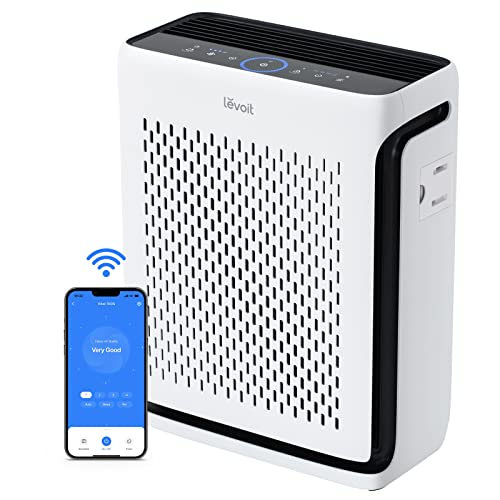
The KNKA Air Purifier for Home Bedroom is designed for large rooms up to 1,695 square feet and features a washable pre-filter and multiple modes for different needs. The LEVOIT Air Purifier for Home Large Room is also a solid choice, offering smart features and effective filtration for spaces up to 1,073 square feet. For those needing extra coverage, the Mooka h13 hepa Air Cleaner can purify up to 2,200 square feet, making it suitable for spacious living areas. The PuroAir 400 HEPA Air Purifier is another option, designed for rooms up to 2,000 square feet and featuring a robust filtration system.
FAQ
How often should I replace the HEPA filter? It is generally recommended to replace HEPA filters every 3 to 6 months, depending on usage and air quality. Can I run my air purifier all day? Yes, many air purifiers are designed for continuous operation, but it’s advisable to check the manufacturer’s guidelines for optimal use. Is it necessary to have a washable pre-filter? While not essential, a washable pre-filter can help reduce the frequency of HEPA filter replacements, saving you money in the long run. What is the ideal placement for my air purifier? Place your air purifier in a central location with adequate airflow, away from walls and furniture, to maximize its effectiveness. Do air purifiers produce ozone? Most modern air purifiers are designed to be ozone-free, but always check the specifications to ensure safety.
What Most Buyers Overlook
- The right choice depends on your daily constraints, not just the most advanced option.
- Ease of setup, maintenance, and fit often matter more than one extra feature.
Conclusion
Choosing a large room HEPA air purifier can greatly help reduce airborne particles, particularly in larger spaces. By understanding the benefits, limitations, and features to consider, you can make an informed decision that best suits your needs. Regular maintenance and proper placement will ensure optimal performance, allowing you to enjoy cleaner air in your home.
A Couple of Relevant Options