
Last updated: June 19, 2026
See also: MERV Furnace Filters.
How to Change Your Furnace Air Filter for Optimal Performance
Changing your furnace air filter is a straightforward process that can significantly impact your indoor air quality and the efficiency of your heating system. Regularly replacing the filter helps ensure that your furnace runs smoothly while capturing airborne particles. The primary consideration when changing your furnace air filter is selecting the right type for your specific HVAC system. Filters come in various sizes, MERV ratings, and materials, each affecting how well they capture particles and maintain airflow.
Disclosure: As an Amazon Associate, we earn from qualifying purchases.
Prefer to browse a couple of relevant options before you decide? Check current options on Amazon.
Why This Matters
For the full comparison, see our roundup: Best Furnace Filters: 9 Top Picks for 2026.
Changing your furnace air filter regularly is essential for maintaining the health of your HVAC system and capturing airborne particles. A clean filter allows for better airflow, which can lead to more efficient heating and cooling. Additionally, a filter that effectively captures dust, allergens, and pet dander can contribute to a comfortable home environment. Neglecting to change your air filter can lead to a build-up of dust and debris in your system, potentially causing it to work harder and consume more energy. This may shorten the lifespan of your furnace and increase your utility bills.
Key Benefits
What to Expect
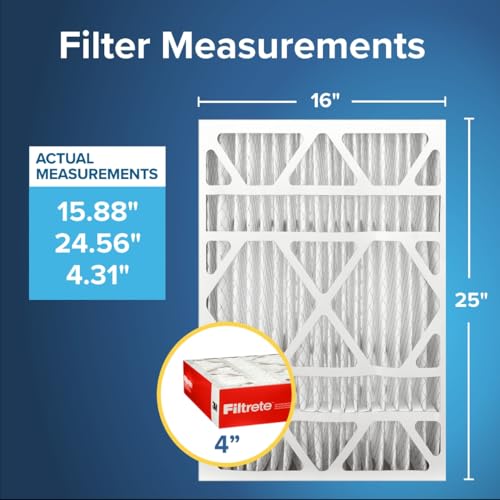
- MAKE YOUR HOME YOUR SANCTUARY: 4-pack of 3-month pleated Filtrete 16x25x…
- COOLING SEASON READY: Keep your home cool and your air cleaner with a Fi…
- Check fit or sizing first.
- Expect some trade-offs by use case.
Using a clean air filter has several benefits. First, it can enhance the efficiency of your heating system, which may lead to lower energy consumption. Second, it helps help reduce airborne particles by capturing harmful particles, making your home more comfortable, especially for those with allergies. Lastly, regular changes can extend the life of your HVAC system, saving you on potential repair costs.
Common Drawbacks & Limitations
While changing your furnace air filter has many advantages, there are some limitations to consider. Higher MERV-rated filters may capture more particles but can also restrict airflow, which may not be suitable for all HVAC systems. Additionally, some filters may require more frequent changes, which could be inconvenient for some users. Lastly, not all filters are compatible with every system, so it’s essential to ensure the correct fit and type for your furnace.
What to Look For (Buyer’s Checklist)
Filter Size: Ensure you know the correct size of your existing filter. A filter that does not fit properly can lead to air bypassing the filter, reducing efficiency. MERV Rating: This rating indicates the filter’s ability to capture particles. A higher MERV rating means better filtration but may restrict airflow. Match the rating to your HVAC system’s capabilities. Material: Filters can be made from various materials, including fiberglass, pleated paper, and synthetic fibers. Pleated filters typically offer better filtration and airflow. Replacement Frequency: Check how often the manufacturer recommends changing the filter. Some filters are designed for longer intervals, while others may need monthly replacements. Compatibility: Ensure the filter is compatible with your HVAC system. Some filters are designed for specific brands or types of systems.
How to Choose for Your Situation
When selecting a furnace air filter, consider your household’s specific needs. If you have pets or allergies, a filter with a higher MERV rating may be beneficial for capturing dander and allergens. However, if your HVAC system has restrictions, opt for a lower MERV filter that maintains airflow. Evaluate your maintenance routine as well. If you prefer a filter that requires less frequent changing, look for options designed for longer-lasting performance, such as those rated for 6 to 12 months.
Care, Safety, and Longevity Tips
To maximize the effectiveness of your air filter, regularly check it for dirt and debris. A clogged filter can hinder airflow and system performance. It is advisable to change the filter every 90 days, or more frequently if you have pets or live in a dusty environment. When handling filters, ensure your HVAC system is turned off to prevent any issues. Dispose of used filters responsibly, especially if they contain materials that should not be released into the environment.
Recommended Picks
The Filtrete 16x25x1 Air Filter, MERV 11, is designed to capture allergens and pet dander, making it a suitable choice for households with pets. It has a recommended change interval of every 90 days, ensuring optimal performance. For those looking for a long-lasting option, the Filtrete 16x25x4 Air Filter, MERV 11, is ideal, as it can last up to 12 months, making it a lower-maintenance choice. If you prefer a washable option, the CoreCarbon 20x30x1 Cut To Fit Furnace & Air Conditioner Filter allows for customization to fit various HVAC systems while being reusable.
FAQ
How often should I change my furnace air filter? It is generally recommended to change your furnace air filter every 90 days, but this may vary based on usage and household factors such as pets and dust. What happens if I don’t change my air filter? Failing to change your air filter can lead to reduced airflow, decreased efficiency, and potential damage to your HVAC system. Can I use a higher MERV rated filter? While a higher MERV rating can capture more particles, it may also restrict airflow. Ensure your HVAC system can handle the increased resistance before upgrading. What is the difference between pleated and fiberglass filters? Pleated filters generally offer better filtration and airflow than fiberglass filters, making them more effective for capturing smaller particles. Are washable filters worth it? Washable filters can be more cost-effective in the long run, as they can be reused. However, they require regular cleaning and maintenance to remain effective.
What Most Buyers Overlook
- The right choice depends on your daily constraints, not just the most advanced option.
- Ease of setup, maintenance, and fit often matter more than one extra feature.
Conclusion
Changing your furnace air filter is a simple yet effective way to enhance your home’s air quality and maintain the efficiency of your HVAC system. By understanding the different types of filters, their specifications, and the importance of regular maintenance, you can make informed decisions that contribute to a comfortable home environment.
A Couple of Relevant Options

